
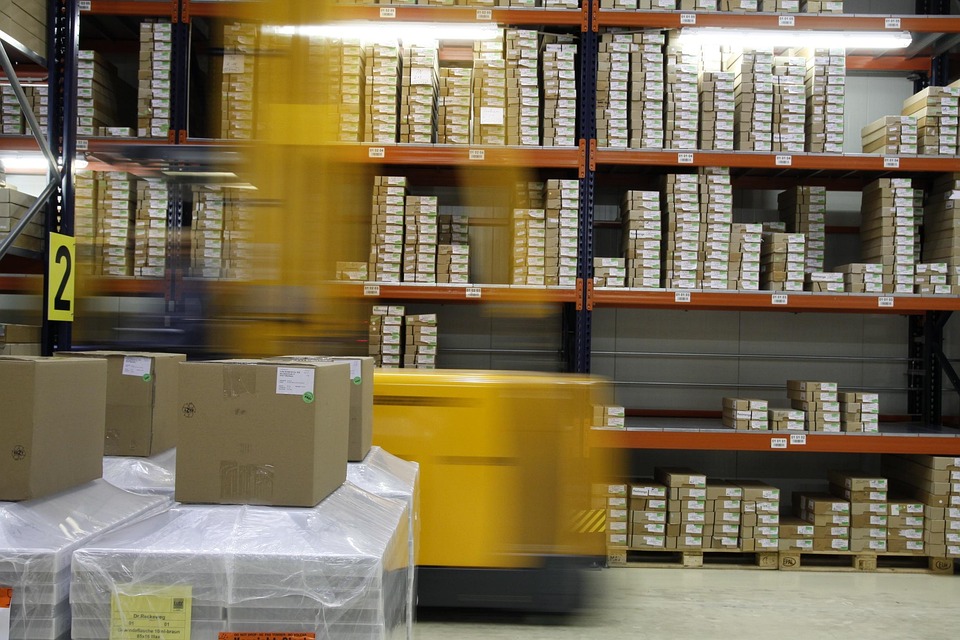
In today’s fast-paced e-commerce landscape, a seamless logistics experience is crucial for businesses to stay competitive. The journey from warehouse to customer is a complex process that involves multiple stakeholders, infrastructure, and technology. To create a seamless logistics experience, companies must focus on optimizing their warehouse operations, streamlining transportation, and enhancing customer communication.
First and foremost, warehouse operations must be optimized to ensure efficient order fulfillment. This can be achieved through the implementation of a warehouse management system (WMS) that streamlines inventory management, picking, and packing processes. Additionally, businesses can invest in automation technologies such as conveyor systems and robotics to reduce labor costs and increase productivity.
Once orders are fulfilled, they must be transported to customers in a timely and cost-effective manner. This requires businesses to develop a robust transportation strategy that takes into account factors such as delivery times, fuel costs, and carrier selection. Companies can leverage transportation management systems (TMS) to optimize routes, manage carrier contracts, and track shipments in real-time.
Effective customer communication is also critical to creating a seamless logistics experience. Businesses must keep customers informed throughout the delivery process, from order confirmation to delivery notification. This can be achieved through automated email updates, SMS notifications, and real-time tracking information.
To take logistics to the next level, companies can also invest in emerging technologies such as artificial intelligence (AI), blockchain, and the Internet of Things (IoT). These technologies can help optimize logistics operations, improve supply chain visibility, and enhance customer experience.
In conclusion, creating a seamless logistics experience requires careful planning, execution, and investment in technology and infrastructure. By optimizing warehouse operations, streamlining transportation, and enhancing customer communication, businesses can build trust with their customers, reduce costs, and stay ahead of the competition. As the e-commerce landscape continues to evolve, companies that prioritize logistics and customer experience will be well-positioned for success.